Vol. 13 No. 18 (2025): Edição 2025
Saudações
Com grande satisfação apresentamos a edição de 2025 da nossa revista eletrônica. Oito artigos atenderam às demandas temáticas e acadêmicas estabelecidas pelo Comitê Editorial. Como já destacamos, o nosso sistema de submissão de artigos é fluxo contínuo e, portanto, estamos abertos às novas contribuições. Tendo como característica principal a interdisciplinaridade, foram aprovados e publicados oito artigos.
O primeiro aborda a analise das funcionalidades dos serviços ecossistêmicos na Área de Proteção Ambiental (APA) Posse-Guarita, município de Nova Iguaçu/RJ. Para esse fim, foi realizada uma classificação do uso de solo, o levantamento dos níveis de relevância dos serviços ecossistêmicos e a avaliação da efetividade da aplicação de projetos e aportes financeiros locados pela gestão da área protegida.
O segundo traz informações sobre o primeiro caso documentado de uma grande espécie de presa caçada por onça-parda (Puma concolor, Linnaeus, 1766), especificamente uma jovem capivara (Hydrochoerus hydrochaeris), no maciço Gericinó-Mendanha em área de uso público do Parque Natural Municipal da Serra do Mendanha, município do Rio de Janeiro.
O terceiro descreve, pela primeira vez, o caso de ataque por C. latirostris (jacaré-de-papo-amarelo) no Parque Natural Municipal Barra da Tijuca Nelson Mandela, RJ. Os autores abordaram as implicações para a conservação da espécie, listada como ameaçada de extinção, sobre a gestão e o uso público de áreas protegidas onde a espécie habita.
O artigo seguinte apresenta informações básicas sobre o Parque Natural Municipal da Água Escondida, incluindo as iniciativas de recuperação da vegetação e das potencialidades de uso público. O parque apresenta elementos de valor histórico (ruínas de aqueduto e reservatório) que testemunham os primórdios da ocupação da cidade de Niterói/RJ.
O quinto trata do Parque Municipal Ecológico da Serra do Lenheiro, São João del-Rei, MG, unidade de conservação de grande relevância natural e cultural, porém fragilizado pela falta de planejamento e gestão efetiva. A unidade revela fortes vínculos históricos e simbólicos, mas enfrenta desafios de gestão, segurança e participação popular.
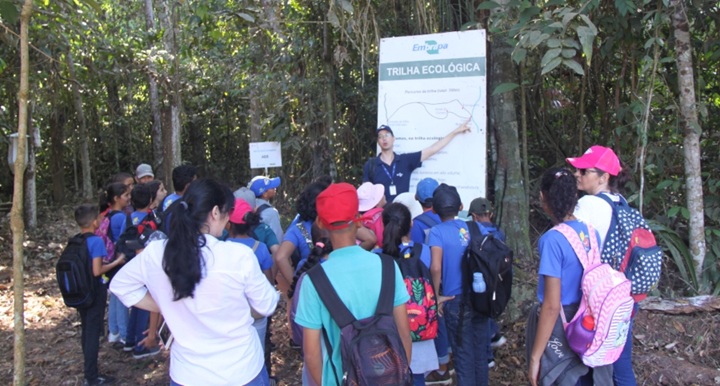
O sexto teve como objetivo a difusão da Cultura Oceânica por meio da educação ambiental marinha e costeira na região oceânica de Itaipu (Niterói/RJ), destacando o papel das Unidades de Conservação como espaços de aprendizagem. Para isso, foi desenvolvida uma Trilha Interpretativa (TI) voltada a uma escola pública, utilizando a metodologia de pesquisa qualitativa com base na interpretação ambiental.
O sétimo trabalho realizou uma revisão sistemática quantitativa da literatura sobre os métodos de avaliação de impactos do uso público em áreas protegidas do estado do Rio de Janeiro. A análise abrangeu os anos de 2012 a 2025, sendo utilizada a plataforma do Google Acadêmico como fonte de busca.
Para finalizar a edição, o último artigo busca ampliar o debate sobre a necessidade de desenvolvimento de protocolos simples para construção de indicadores de investigação das condições de trilhas, tendo como objeto de estudo a Trilha T15 da Praia do Caxadaço, Parque Estadual da Ilha Grande, Angra dos Reis, RJ. O trabalho discute a importância da criação de um sistema de monitoramento contínuo que permita alinhar o uso da trilha aos objetivos de conservação do parque e à promoção de uma visitação segura, ordenada e ambientalmente sustentável.
Nossa eterna gratidão aos autores pelas valiosas contribuições esperando que elas proporcionem uma leitura enriquecedora à evolução e consolidação do conhecimento, em geral.
Comissão Editorial


![Jacaré-de-papo-amarelo (Caiman latirostris [Daudin, 1801 "1802"]) em seu habitat](https://periodicos.uff.br/public/journals/59/submission_67815_54125_coverImage_pt_BR.jpg)