
Photo Essay by Maurício de Bragança
Article Sidebar
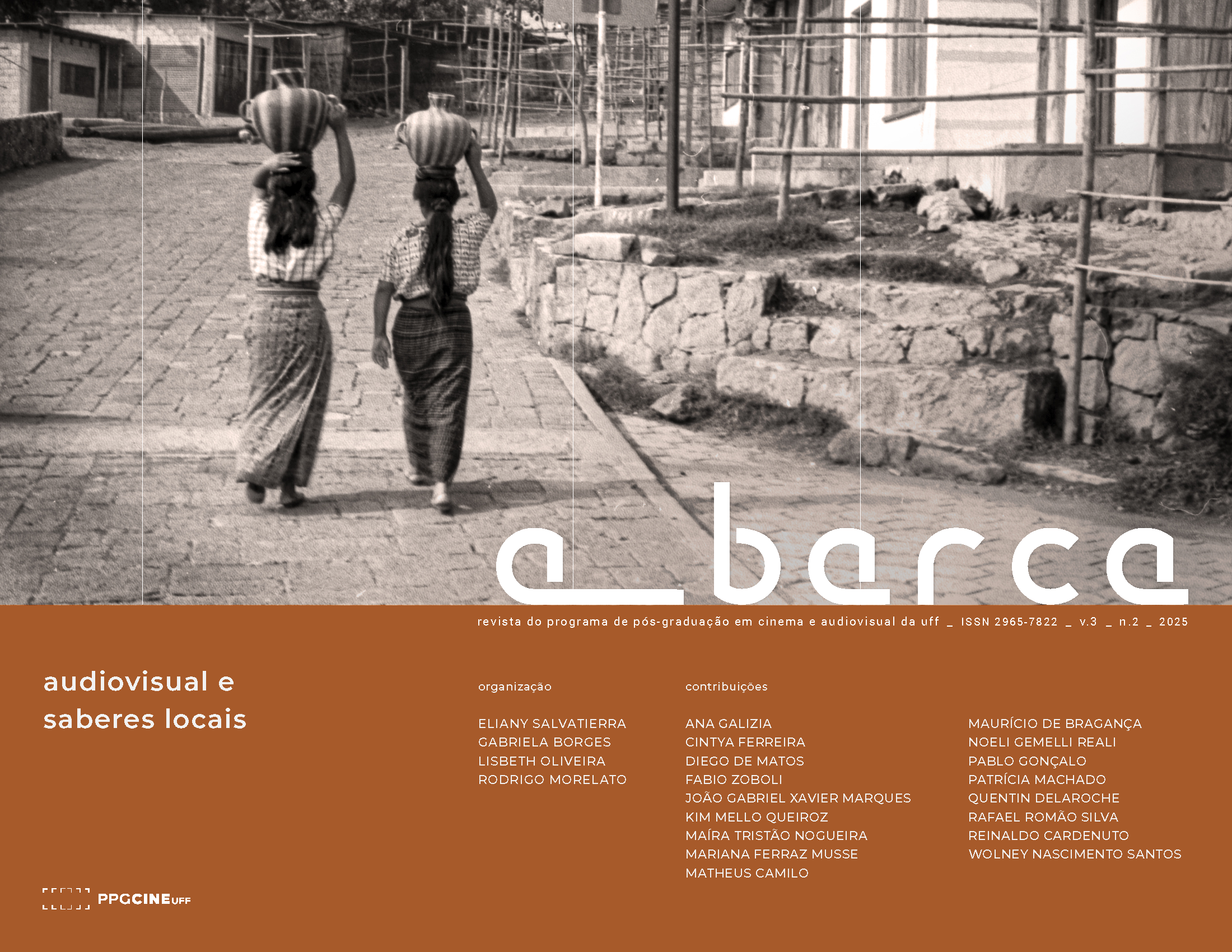
Main Article Content
Abstract
Photography has always been a constant in my relationship with Latin America. Through the lenses of various photographers, I have gradually immersed myself in the region, noticing details and becoming familiar with its landscapes. I always seek out photographs when visiting unfamiliar places. I enjoy visiting antique fairs to look at old photographs of anonymous people; they act as interpreters, presenting the world in an intimate and personal way. Photography consistently helps me establish a bond with the unknown.
Reading images is an exercise refined over time—through patience and the pleasure of standing before a photograph to observe its mysteries, attempting to discern what lies hidden within its composition. Photographs do not merely depict reality; they rupture the very concept of it. This is precisely what makes them so seductive: their potential to create the absurd. When I set out to photograph, I carry with me memories of other images that inspire me, engaging in a dialogue of the imagination. Thus, one never arrives at a place alone.
Photographs also facilitate our entry into spaces, provided we remain attentive to the boundaries of the photographic act. To photograph is to occupy territories and to construct imaginaries. This is an act of profound responsibility. It is essential to understand the limits of the conversation that photography enables and to know how to participate in that encounter. In this selection of images, curated by the editors of the Dossier "Audiovisual and Local Knowledge," are moments captured since the late 1990s. It is a gaze that is at times bedazzled, at others astonished, but always remains curious.
Downloads
Article Details
Section

This work is licensed under a Creative Commons Attribution 4.0 International License.